The Zen Labs journal
WHAT TO EAT BEFORE, DURING, AND AFTER A RUN
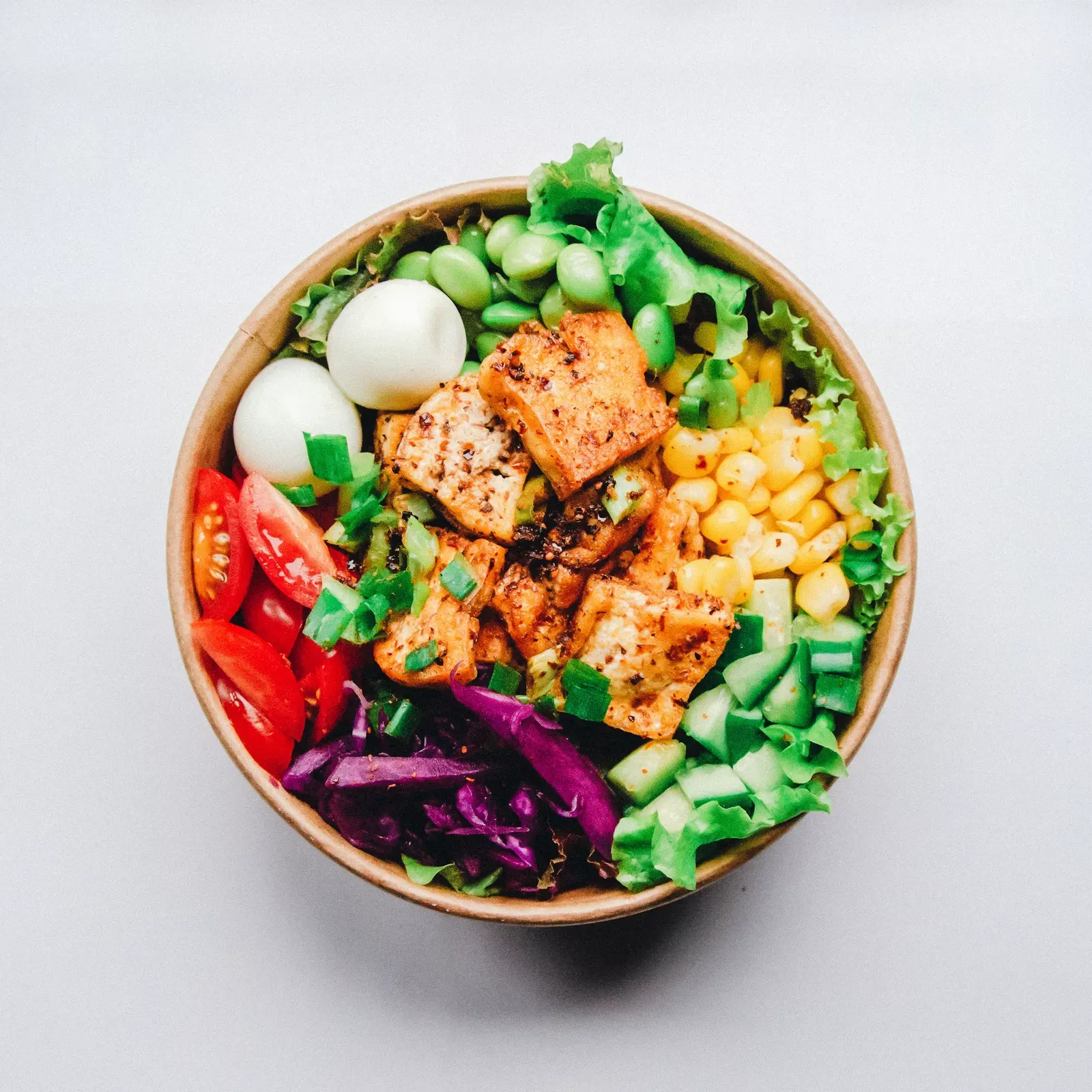
Fueling for a run sounds like a science, but for everyday training it’s mostly common sense: a light snack before you head out, water along the way, and a proper meal afterward. You don’t need a nutritionist’s spreadsheet to feel good on your usual three-mile loop — you need a few simple habits you can repeat without thinking.
This guide walks through all three parts of the run — before, during, and after — with plain options you’ll find in any kitchen. If you’re just getting started, our guide to the most common mistakes first-time runners make pairs well with this one, because steady basics beat a perfect plan every time.
What should I eat before a run?
Eat something small and easy to digest about 60 to 90 minutes before you run — mostly carbohydrate, with little fat and not too much fiber. The point is to top up your energy without leaving a heavy meal sitting in your stomach while you move.
Good options include a banana, a slice of toast with jam or honey, a small bowl of oatmeal, a few dates, or a rice cake with a little peanut butter. Keep it to a snack-sized portion — you’re fueling today’s run, not a marathon.
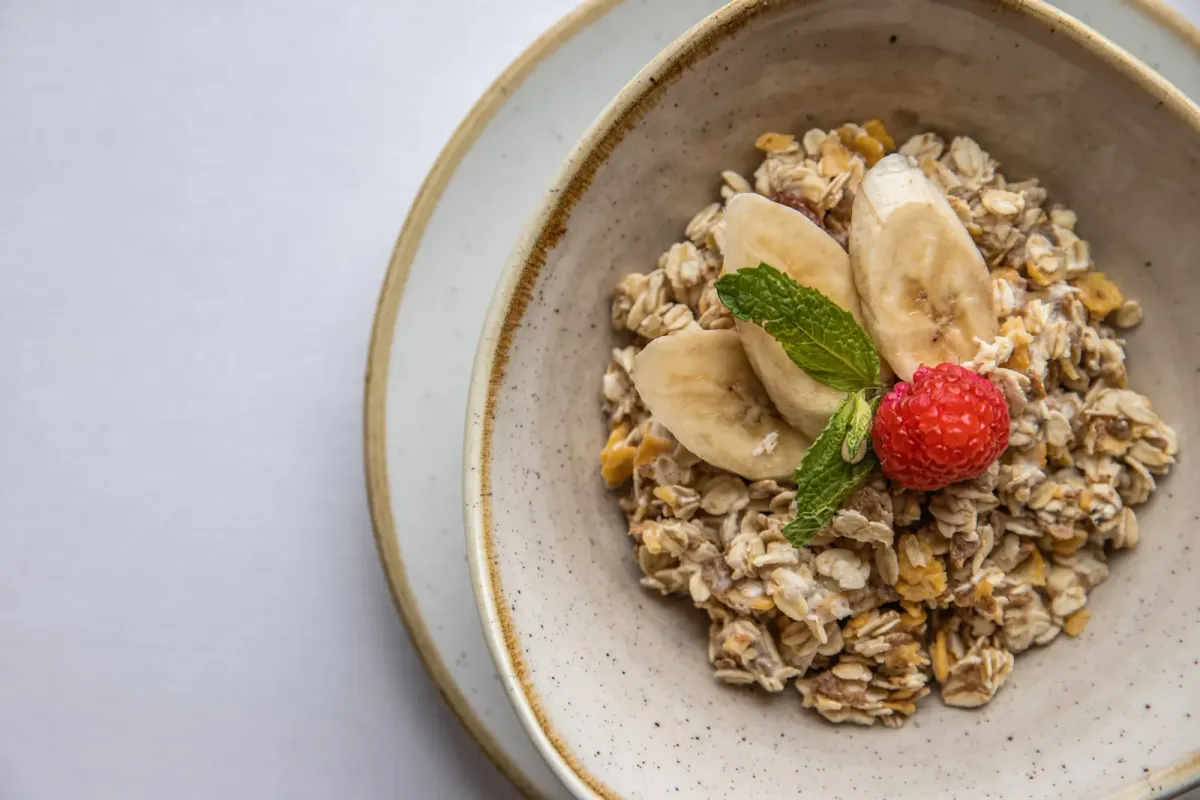
Run first thing in the morning? A small snack is plenty; you don’t need a full breakfast. Had a normal meal in the past three hours? You may not need anything at all. Try a couple of options on easy runs and notice how your stomach feels, because what works for one runner won’t automatically work for you.
What to skip: heavy or greasy food, very spicy dishes, and oversized portions right before running. Digestion pulls blood toward your stomach, and your legs would rather have that blood during the run.
Do I need to eat during a run?
For most runs under an hour, no — water is enough. Mid-run fuel starts to matter when you’re out for more than about 75 to 90 minutes, or when it’s hot and you’re working hard.
On everyday training runs, leave the gels and chews at home. Your body carries plenty of stored energy for an hour of easy running. On long runs, small amounts of easily absorbed carbohydrates help you avoid the sudden heavy feeling late in the run that runners call hitting the wall.
When long runs are on the calendar, a gel, a few energy chews, a sports drink, or even half a banana all work. Take a little every 30 to 45 minutes instead of waiting until you feel empty. And whatever you plan to use on race day, test it on training runs first — race morning is the wrong time to learn that a new fuel disagrees with you.
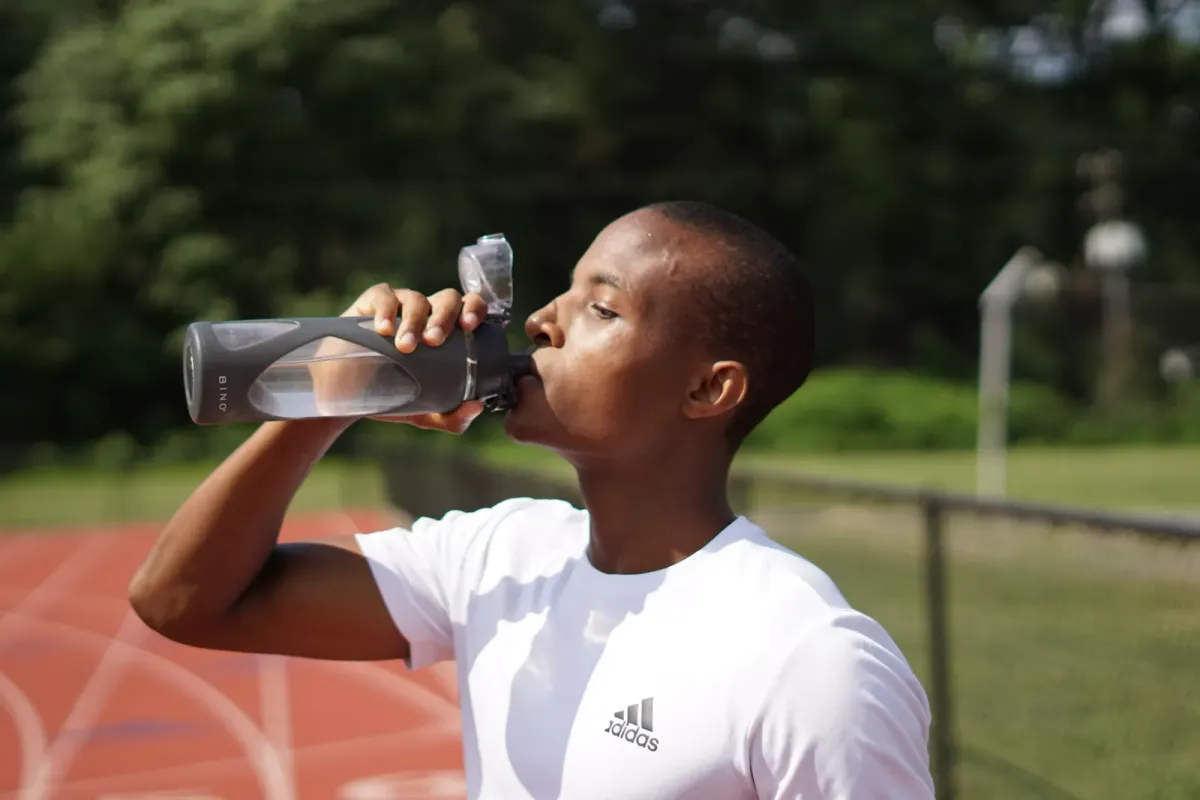
Hydration matters during the run too. Sip water as you go, and on hot, sweaty days consider an electrolyte drink to replace the salt you’re losing. Treat supplements as a complement to real food, not a replacement — and if you’re adding anything new, try it in training and check with a healthcare professional first.
What should I eat after a run?
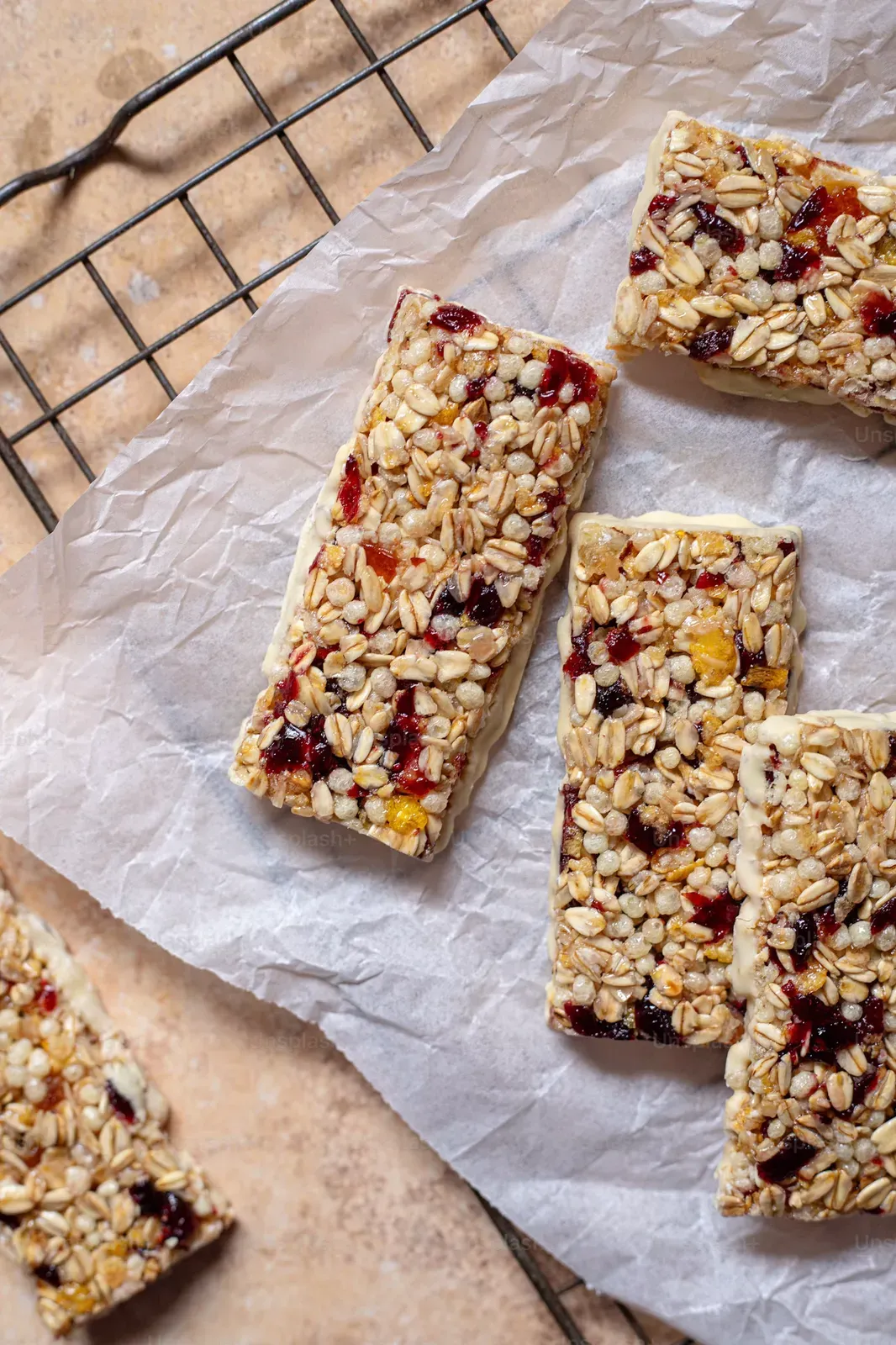
Aim for a meal with both protein and carbohydrates within a couple of hours of finishing. Protein helps your muscles repair and rebuild, while carbohydrates refill the energy stores you just used — together, they’re what recovery fuel actually means.
Real-food examples: eggs on toast, Greek yogurt with fruit and granola, a chicken and rice bowl, pasta with vegetables, or a peanut butter sandwich with a glass of milk. Even a glass of chocolate milk is a solid, easy option after a hard session.

For everyday training, don’t obsess over the famous 30-minute recovery window. If your next proper meal is an hour away, just eat it. If it’s hours away — a lunch run with dinner at seven, say — a quick snack like yogurt with fruit, crackers and cheese, or a handful of trail mix bridges the gap.
Keep drinking water after the run as well. Thirst is a late signal; by the time you feel it, you’re already behind on fluids.
Should I track my body composition as a runner?
Tracking body composition — the balance of muscle and fat — can be more useful than watching the scale, because running changes your body in ways total weight doesn’t show. Muscle is denser than fat, so the scale can look stuck while your body is genuinely changing for the better.
If you want to keep an eye on progress, weigh in at the same time of day under the same conditions every two to three weeks, and follow the trend rather than any single number. A basic scale shows weight; a body composition analyzer goes a step further and estimates muscle and fat so you can see what your training is actually doing.
One honest note: numbers are a guide, not a report card. How your clothes fit, how your runs feel, and how much energy you have are just as informative. Use tracking to confirm what’s working — not to judge yourself for one off week.
What does a simple fueling plan look like?
Here’s the whole guide in one small table. It covers everyday training without any special products — save the fancier stuff for long runs and race day.
| When | What to eat or drink | Notes |
|---|---|---|
| Before — 60 to 90 minutes out | Banana, toast with jam, a small bowl of oatmeal, a few dates | Light, easy to digest, mostly carbohydrates |
| During — runs over 75 to 90 minutes | Gel, energy chews, sports drink, half a banana | A little every 30 to 45 minutes; practice before race day |
| After — within a couple of hours | Eggs on toast, yogurt and fruit, a chicken and rice bowl | Protein plus carbohydrates to help muscles repair |
Make fueling a habit, not a chore.
None of this needs to be perfect. The runner who eats a banana before an easy run and a proper meal afterward will feel better than the one chasing a perfect plan and skipping the basics. Start with one change — a snack before your next run — and build from there.
Your body learns routines quickly. Before long, you’ll know what works for you, when you genuinely need mid-run fuel, and how good a well-timed meal feels on the next morning’s run. Running is a habit before it’s a sport — and the rest of that routine lives in our piece on the four habits of successful runners.
Explore more from the blog →